
Blog
Protecting docks and vessels from repeated impact is one of the most important responsibilities for marina owners and waterfront property managers. Constant docking movement, changing tides, and rough weather conditions can gradually damage both boats and dock structures if proper protection systems are not installed. Choosing the right dock protection solution helps reduce expensive repairs while improving safety and long-term performance. Many boat owners comparing marine protection systems often ask, “ Are pier cushions better than dock bumpers for dock protection ?” because the choice can significantly affect durability, impact absorption, and vessel safety. Modern dock protection systems are designed to handle much more than simple contact between boats and docks. They must withstand harsh marine environments, resist UV exposure, and maintain reliable performance under repeated pressure. Understanding the differences between pier cushions and dock bumpers helps property owners make informed decisions based on their specific docking needs. Understanding How Dock Protection Systems Work Dock protection systems are designed to absorb impact energy and reduce stress placed on both the vessel and dock structure. Without proper cushioning, repeated collisions during docking can cause hull scratches, cracked dock edges, damaged cleats, and costly maintenance. Dock bumpers are commonly installed along dock edges to create a protective barrier during routine mooring. Pier cushions , however, are typically engineered with thicker impact-resistant materials that distribute pressure more evenly across contact points. This added flexibility often provides better protection for larger vessels and high-traffic docking environments. At C Marine Products , our marine dock protection systems are engineered to efficiently absorb impact while maintaining long-term structural performance in both freshwater and saltwater environments. By focusing on durability, flexibility, and real-world marine applications, we help marina operators and boat owners reduce repair costs while improving dockside safety. Pier Cushions Offer Enhanced Impact Absorption Pier cushions are specifically designed to absorb stronger impacts while minimizing direct pressure on vessels. Their wider surface area and flexible construction help distribute force more effectively during docking and mooring operations. This makes them especially beneficial for marinas that handle larger boats or commercial vessels, or for locations exposed to changing tides and strong winds. Pier cushions can also reduce stress on dock hardware and vessel hulls, helping extend the lifespan of both structures. Another advantage is their ability to recover quickly after compression. High-quality marine-grade materials maintain elasticity over time, reducing the risk of cracking or deformation from repeated impacts. Dock Bumpers Provide Reliable Everyday Protection Dock bumpers remain a highly effective solution for many recreational and residential docking applications. They are commonly used for their ease of installation, versatility, and ability to protect against minor to moderate impacts. Modern dock bumpers are available in multiple sizes and configurations, allowing boat owners to select protection based on vessel type and dock layout. Compact bumpers are ideal for personal watercraft and small boats, while larger systems can support pontoons and recreational cruisers. Their smooth surfaces also help prevent cosmetic damage, such as hull scratches and paint scuffs, during routine docking procedures. Which Option Works Best For Different Marine Environments? The choice between pier cushions and dock bumpers depends largely on the docking environment and vessel activity. High-traffic commercial marinas often benefit from pier cushions because they provide greater shock absorption and protection under heavier impacts. Residential docks and smaller marina facilities may find dock bumpers more practical for routine vessel protection. In many cases, combining both systems can provide comprehensive protection by addressing different contact points along the dock. Marine conditions also play an important role. Saltwater exposure, intense sunlight, and fluctuating water levels require protection systems made of corrosion-resistant, UV-stable materials that maintain performance over time. Long-Term Protection Helps Reduce Repair Costs Effective dock protection is not just about preventing visible damage. It also helps preserve structural integrity while reducing long-term maintenance expenses. Proper cushioning systems protect docks, cleats, pilings, and hull surfaces from continuous stress and impact. By minimizing repair frequency and extending equipment lifespan, quality marine protection systems provide long-term value for both private dock owners and commercial marine facilities. Conclusion Selecting the right dock protection solution depends on vessel size, docking conditions, and the level of impact resistance required for your marine environment. While dock bumpers offer dependable everyday protection, pier cushions often provide enhanced shock absorption and greater durability for demanding applications. This is why many marina operators continue asking, “ Are pier cushions better than dock bumpers for dock protection ?” when evaluating long-term safety and performance solutions. Reliable marine protection systems help preserve docks, reduce costly repairs, and improve overall vessel safety in both freshwater and saltwater environments. Contact us today to discover high-performance dock protection solutions designed to keep your waterfront investment secure and protected for years to come. FAQs 1. What is the main difference between pier cushions and dock bumpers? Pier cushions are designed for stronger impact absorption, while dock bumpers mainly provide everyday edge protection during docking. 2. Are pier cushions suitable for saltwater marinas? Yes, high-quality pier cushions are built using marine-grade materials that resist corrosion, UV exposure, and harsh saltwater conditions. 3. Can dock bumpers protect large commercial vessels? Heavy-duty dock bumpers can support larger vessels, but pier cushions are often preferred for high-impact commercial applications.
Which solar dock lights are best for dock pilings today? Calm evenings by the water feel even more inviting when your dock is gently illuminated. Lighting not only adds a welcoming touch but also supports safe movement after sunset. If you’ve been exploring options and wondering which solar dock lights are best for dock pilings ? You’re already on the right track toward improving both visibility and style. Let’s take a closer look at how to choose lighting that blends durability, efficiency, and visual appeal. Here’s what truly matters when selecting the right lighting for your dock setup. Why Solar Lighting Works Well for Dock Pilings Dock pilings are constantly exposed to moisture, wind, and changing temperatures. Traditional lighting often requires wiring, which can be complicated in marine environments. Solar lights offer a simpler solution. They absorb sunlight during the day and provide consistent illumination at night without added electrical work. This makes them a practical and low-maintenance option for waterfront spaces. Additionally, modern designs are crafted with corrosion-resistant materials, ensuring they remain reliable even in humid or salty conditions. This makes solar lighting a thoughtful addition to docks that are regularly used. Key Features to Look for in Dock Lighting When selecting solar lights for dock pilings, certain features can make a noticeable difference in performance and longevity. Weather-resistant construction Choose lights built with marine-grade materials. These resist rust and wear caused by water exposure. Long-lasting battery life Efficient solar panels paired with durable batteries ensure the lights stay on throughout the night. Soft yet clear illumination Lighting should be bright enough to guide movement without being harsh on the eyes. A warm glow often creates a more relaxing atmosphere. Secure mounting options Dock pilings require fixtures that stay firmly in place despite wind or water movement. Look for designs that offer stable installation. Matching Lighting Style with Dock Design Beyond function, lighting plays a role in how your dock looks and feels. A well-lit dock can create a calm, inviting environment for evening gatherings or quiet moments by the water. Some prefer subtle cap lights that sit neatly on top of pilings, while others opt for side-mounted fixtures that cast light downward. Both options can enhance visibility while adding a refined touch to the space. As you explore designs, consider how the lighting complements the overall look of your dock. Clean lines and neutral tones often blend effortlessly with natural surroundings. Practical Benefits You’ll Notice Right Away Once installed, solar dock lights quickly show their value. You’ll notice safer steps when walking along the dock at night, especially near the edges. They also help mark boundaries clearly, which can be useful for both personal use and guiding guests. Over time, the ease of maintenance becomes another advantage, as there are no wires or frequent replacements to worry about. In the middle of your decision-making process, it’s common to revisit the question of which solar dock lights are best for dock pilings . The answer often lies in balancing durability, brightness, and design to suit your specific dock environment. Installation Tips for Better Results Proper placement can enhance both function and appearance. Position lights evenly along the dock to create a consistent glow. Ensure each light receives adequate sunlight during the day for optimal charging. Avoid placing them in shaded areas where performance might drop. Also, check the alignment to ensure light spreads evenly across the walking surfaces. This small step can improve both safety and visual appeal. Enhancing Nighttime Dock Experiences A thoughtfully lit dock changes how the space feels after sunset. Whether it’s a quiet evening by the water or a small gathering with friends, lighting adds comfort and clarity. Soft illumination reflecting off the water creates a peaceful setting that feels natural and inviting. It also helps extend the usability of your dock beyond daylight hours. As you finalize your choice, you may reconsider which solar dock lights are best for dock pilings . The right option will always combine reliability with a gentle, consistent glow that supports both safety and atmosphere. Ready to Upgrade Your Dock Lighting If you’re planning to improve your dock setup, now is a great time to explore solar lighting options designed for marine conditions. Thoughtful lighting can transform how your space looks and functions after dark. Take a closer look at durable, well-crafted solutions that fit your needs and bring a calm glow to your waterfront evenings. Explore options today with C Marine Products and find lighting that suits your dock perfectly. FAQs 1. How long do solar dock lights typically last? Most high-quality solar dock lights can last several years, depending on material quality and battery life. Regular exposure to sunlight helps maintain their performance. 2. Do solar dock lights work on cloudy days? Yes, they still charge on cloudy days, though the brightness or duration may be slightly lower than on sunny days. 3. Are solar dock lights easy to install on pilings? Yes, most designs are made for simple installation without wiring, making them a convenient option for dock pilings.
When someone types this question into a search bar, they are usually trying to prevent the next scrape. Which dock corner bumpers are best for preventing boat damage? The right choice depends on your boat’s contact height, your dock layout, and how you approach the slip. When coverage matches real impact points and mounts securely with proper hardware, you reduce corner contact that leads to visible hull marks. We design our corner bumpers with that practical goal in mind. Why Corners Require Focused Protection? A straight dock section allows your boat to ease into position. A corner creates a fixed edge that absorbs the first touch. When you enter at a slight angle or adjust in the wind, that edge often becomes the point of contact. Repeated pressure in the same area increases visible wear over time. We encourage boat owners to treat each dock corner as a priority zone. Tie up as you normally would and observe where the rub rail or hull meets the dock. Notice any existing contact marks. Real measurement removes uncertainty and helps you choose protection that fits your situation. Which dock corner bumpers are best for preventing boat damage? The answer changes with your setup. A narrow entry corner requires different coverage than a wide approach. A floating dock requires attention to the boat’s resting level. We recommend selecting based on actual docking conditions rather than appearance alone. Selecting the Proper Corner Size We offer small, medium, and large corner bumpers so you can match protection to your dock environment. Size is not about appearance. Size is about coverage. Measure the vertical band where your boat contacts the dock during normal docking. Review the listed bumper dimensions on our product pages and compare them directly with your measurement. Choose coverage that spans that band. This keeps the protection aligned with the boat rather than the dock edge. We also suggest pairing corner bumpers with flat bumpers along the approach side to help guide the boat inward. That layout supports smoother positioning and reduces direct edge contact during tie-up. Installation Clarity and Included Hardware Secure mounting supports long-term performance. Our product pages clearly show package contents, listed dimensions, and included hardware so you know what comes with your order. Clear information helps you plan installation before purchase. If you have questions about spacing or placement, contact us before installation. We provide guidance so you can mount with confidence and avoid placement mistakes. With proper preparation, you protect both your dock structure and your boat. Quick Buyer Checklist Before making your decision, confirm these points. • Identify the corner that takes the most contact. • Measure the true contact height while tied up. • Compare your measurement to the listed bumper dimensions. • Plan flat bumper support along the approach. • Review included hardware details and requested guidance from us if needed. Each step connects directly to the information we provide on our site. The Careful Buyer Question Will this fit my dock and align with how I dock? You can review exact dimensions, package details, and mounting information before purchase. We have engineered and manufactured dock bumpers since 1987 and produce them in the United States. Our project gallery shows real installation examples so you can see how corner and flat bumpers work together. We also offer installation assistance before mounting, helping you position protection correctly from the start. Why Our Approach Stands Apart Many online articles focus on lists. We focus on fit. We guide you in measuring contact height, reviewing actual dimensions, and planning placement before drilling into your dock. Our site presents transparent sizing, includes hardware information, and provides support before installation. That clarity reduces mistakes and builds confidence. We maintain a focused product line centered on dock protection because that is where our experience lies. Buyers who search with intent deserve direct and practical answers. Final Words The ones that match your measured contact zone, your docking pattern, and mount securely with proper hardware are the right choice for real protection. Which dock corner bumpers are best for preventing boat damage? The answer comes down to fit and proper installation. At C Marine Products, we build our corner bumpers with that purpose in mind. Contact us if you want help confirming the right coverage for your dock before you order. FAQs
Docks are designed to support boats, but they are also the first structures to suffer damage in marinas and private waterfronts. Cracks, loose boards, bent hardware, and weakened corners often appear long before any visible damage occurs to the boat itself. This isn’t a coincidence. Repeated contact, water movement, and docking pressure place stress on fixed dock structures every day. Over time, that stress builds. Installing large boat dock bumpers is one of the most effective ways to reduce that pressure and protect docks from early structural failure. Why do docks take damage faster than boats? Because docks are stationary and boats are always moving. Even when tied securely, boats shift with: Wind Waves Water level changes Wake from nearby traffic That movement transfers force into dock surfaces. Boats are built to flex and absorb motion. Docks are rigid and absorb impact directly. This imbalance causes docks to wear out faster. Which parts of a dock break first? Dock corners and outer edges fail before flat surfaces. Corners take pressure from multiple angles at once. When a boat drifts sideways or pivots during docking, the corner absorbs most of the force. High-risk dock areas include: Outside corners Slip entry points Tie-up zones Areas without protective padding Once a corner weakens, surrounding boards and fasteners follow. How does repeated impact weaken the dock structure over time? Damage happens gradually, not all at once. Each small bump compresses dock materials slightly. Over months and years, this leads to: Stress fractures in wood or composite decking Hardware loosening from vibration Compression damage to framing Surface wear that exposes inner materials Without protection, these minor impacts add up faster than most dock owners expect. Why is dock damage often missed until it becomes serious? Most damage starts below the surface. Early dock failure often occurs where you can’t easily see it: Behind the corner boards Under decking Around mounting hardware By the time boards crack or shift, internal damage has usually been developing for a long time. How do dock bumpers reduce structural damage? They absorb impact before it reaches the dock. Dock bumpers act as a buffer zone between the boat and the dock structure. Instead of direct contact, the bumper compresses and disperses force. This reduces: Direct pressure on the dock framing Stress on fasteners and bolts Repeated wear on high-impact areas The result is less structural strain with every docking movement. Why size matters when choosing dock bumpers Smaller bumpers can’t handle larger forces. Larger boats generate more momentum, especially in wind or current. A small bumper may compress too quickly, allowing force to pass through to the dock. Larger bumpers provide: Greater surface area for impact distribution Increased depth for compression Better protection during angled contact This is especially important at dock corners. Why are outside corner bumpers so important? Corners receive force from more than one direction. Boats rarely contact docks straight-on. Most pressure occurs: While approaching at an angle When drifting sideways When pivoting while tied Outside corner bumpers protect two surfaces at once and reduce twisting force on dock joints. What makes a large corner dock bumper effective? Design and mounting determine performance. An effective outside corner dock bumper should have: A shape that wraps the corner fully Enough thickness to absorb repeated impact Hardware designed for marine conditions For example, an outside corner bumper measuring 12L x 10H x 5D provides broad coverage without interfering with normal docking. How proper installation affects dock protection Correct placement is just as important as the bumper itself. Improper installation can: Reduce contact coverage Causes uneven force distribution Lead to early hardware failure Proper installation ensures: Full surface contact at impact points Even load transfer Long-term performance That’s why layout instructions and appropriate mounting hardware matter. How installation support prevents common mistakes Guidance saves time and prevents damage. Every dock is different. Materials, angles, and mounting surfaces vary. Access to installation support helps ensure: Correct alignment Proper bolt placement Secure fastening into the dock structure Our team provides fast, friendly, and professional assistance for anyone who wants an in-depth walkthrough before installation. When should dock bumpers be installed? Before damage becomes visible. Waiting until boards crack or hardware loosens means the dock has already absorbed excessive stress. Best times to install dock bumpers include: During new dock construction After upgrading to a larger boat Before high-traffic boating seasons When adding slips or tie-up points Preventive protection always extends dock life. How dock bumpers protect boats as well Dock protection also benefits the boat. While the dock structure is the primary concern, bumpers also help prevent: Hull scuffs Gel coat wear Fender strain Repeated rubbing damage This creates safer docking conditions, especially in tight or crowded slips. Why do docks without bumpers require more maintenance Unprotected docks wear faster and cost more to maintain. Without bumpers, docks typically experience: More frequent board replacement Looser hardware over time Increased structural inspections Earlier rebuild timelines Installing protection early reduces long-term maintenance demands. How dock bumpers help extend dock lifespan They reduce cumulative structural stress. By absorbing daily movement and contact: Dock framing stays intact longer Fasteners remain secure Corners maintain their shape Surface materials degrade more slowly Midway through a dock’s life, adding large boat dock bumpers can significantly slow further deterioration. What to look for when selecting dock protection products Focus on function, not appearance. Key considerations include: Impact absorption capacity Compatibility with dock material Marine-grade hardware Clear installation guidance Durability and fit matter more than aesthetics. Why docks fail early and how bumpers prevent it Docks break first because they absorb constant force from moving boats while remaining fixed in place. Corners and edges take the most pressure, and repeated contact weakens the structure over time. Properly sized corner protection absorbs impact before it reaches the dock, reducing structural strain and extending dock life. With correct placement, secure mounting, and installation support, large boat dock bumpers are a practical solution for preventing early dock damage. Frequently Asked Questions
Dock owners often ask a simple but important question: Are small dock bumpers only meant for calm water? The short answer is no, but their effectiveness depends on specific dock and water conditions. In this guide, we explain when small dock bumpers for boats work well, when they don’t, and what factors truly matter when choosing dock protection. What Are Small Dock Bumpers, and What Are They Designed to Do? Small dock bumpers are protective marine accessories designed to absorb light-to-moderate impact between a boat and a dock. They are commonly installed along straight dock edges, corners, or areas where boats make controlled contact during docking. Their primary purpose includes: Reducing hull scuffs and cosmetic damage Cushioning routine docking contact Protecting docks from repeated minor impacts They are not meant to replace larger fender systems in high-impact zones. Are Small Dock Bumpers Only Suitable for Calm Water? Small dock bumpers are not limited to calm water, but they perform best in controlled conditions. They work well in: Protected marinas Inland lakes Residential docks with minimal wake action They may struggle in areas with constant wave energy or heavy boat traffic unless paired with other dock protection products. What Dock Conditions Matter More Than Water Calmness? Dock structure and usage patterns matter more than water calmness alone. Before selecting bumpers, consider: Dock material (wood, composite, or metal) Boat size and weight Frequency of docking Exposure to wakes or passing traffic A calm-looking dock can still experience sudden force from passing boats. How Dock Design Affects Small Dock Bumper Performance Dock shape and layout directly affect how impact force is absorbed. Small bumpers perform best on: Straight dock edges Corners with predictable contact points Fixed docks with limited vertical movement Floating docks with frequent motion may require added protection like pier cushions or pole fenders. Can Small Dock Bumpers Handle Boat Movement and Wind? Yes, within limits. Small bumpers can manage: Gentle rocking from the wind Slow lateral movement Controlled docking approaches They are not intended for: Strong crosswinds Sudden surges Boats repeatedly pushed against the docks In those cases, layering protection is essential. When Do You Need More Than Small Dock Bumpers? When the impact force increases, the bumper size and type should increase too. Consider additional protection if: Boats are over 25 feet The dock faces open water Strong wakes are common The docking angle varies Products like pier cushions and pole fenders provide added surface coverage and shock absorption. How Small Dock Bumpers Work with Other Dock Protection Products Small dock bumpers are most effective as part of a system. Common pairings include: Pier cushions for flat dock faces Pole fenders for pilings Corner bumpers for angled impact points Using multiple products reduces stress on any single component. Best Use Cases for Small Dock Bumpers for Boats Small dock bumpers are ideal when docking conditions are predictable. They are well-suited for: Private residential docks Calm coves and canals Controlled marina slips Secondary contact areas In these settings, small dock bumpers for boats provide reliable protection without overbuilding the dock. Installation Matters More Than Most Dock Owners Realize Proper installation is critical for performance. Poor placement can reduce effectiveness even in calm conditions. Best practices include: Aligning bumpers with the boat’s rub rail Securing to solid dock framing Spacing bumpers evenly Avoiding gaps at corners We recommend contacting our team before installation for a detailed walkthrough to ensure correct placement and long-term performance. How to Decide If Small Dock Bumpers Are Right for Your Dock Match the bumper to real-world conditions, not assumptions. Ask yourself: How much movement does my boat experience when docked? Do wakes or wind regularly push the boat into the dock? Is contact light and predictable? If the answer is “yes” to controlled movement, small bumpers are a smart choice. Common Mistakes Dock Owners Make with Small Bumpers Most issues come from underestimating dock forces. Avoid these mistakes: Using small bumpers as the only protection in high-impact areas Installing them too high or too low Skipping corner protection Ignoring piling contact Dock conditions change over time, so reassess protection annually. Why Product Selection Should Be Dock-Specific No two docks behave the same. Water depth, traffic patterns, and boat size all affect impact. That’s why our marine product lineup includes: Small, medium, and large dock bumpers Corner bumpers Pier cushions Pole fenders Each product addresses a specific docking challenge. Final Thoughts Small dock bumpers are effective when used in the right conditions and installed correctly. They are not limited to calm water, but they are best suited for docks with predictable movement and moderate impact. When paired with other protective products, small dock bumpers for boats offer dependable, long-term dock and hull protection without unnecessary complexity. If you’re unsure which solution fits your dock, our team is always available to provide clear, professional installation guidance. Frequently Asked Questions
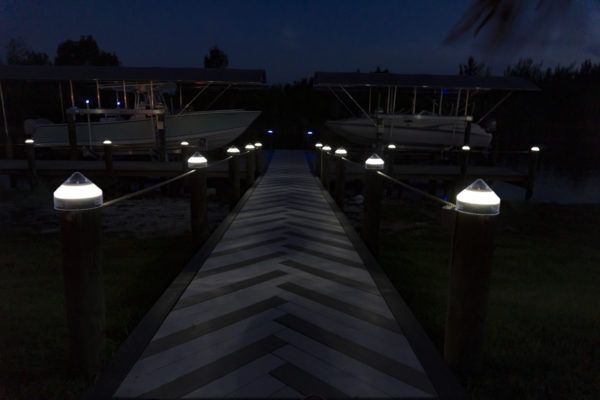
Dock lighting is critical when owning a dock.

What dock materials should I use?
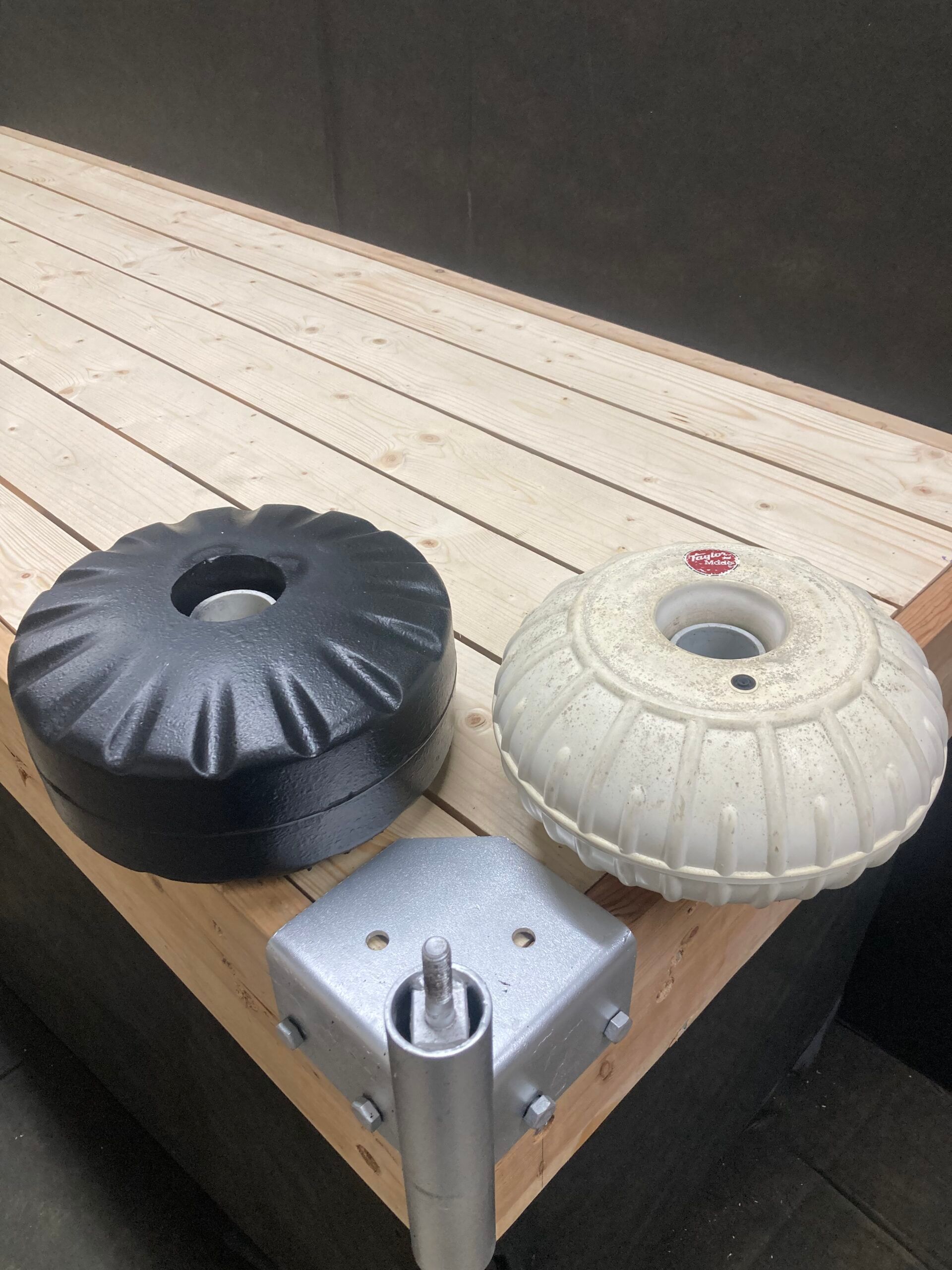
We've Got the perfect solution!